EN
DE

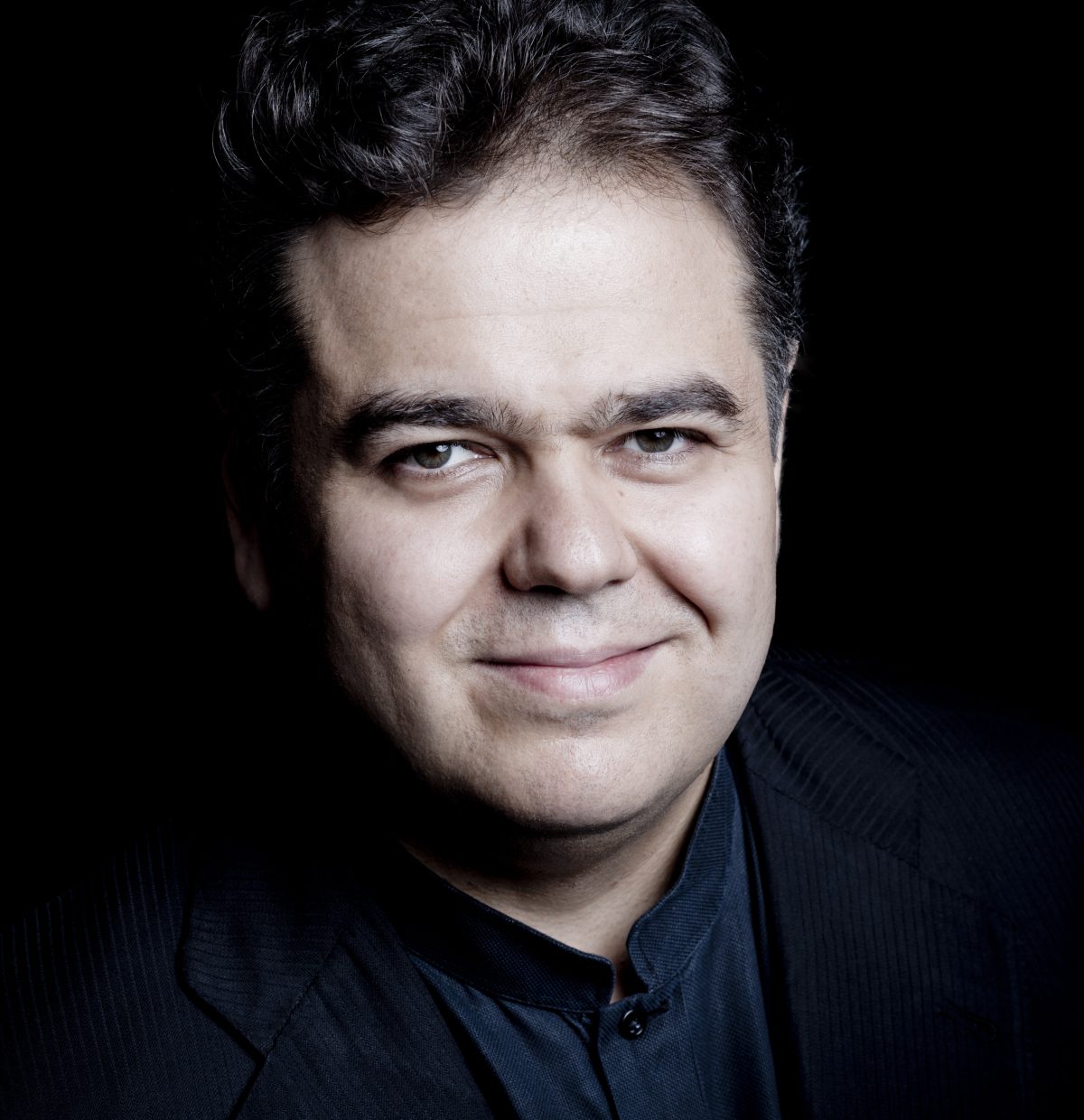
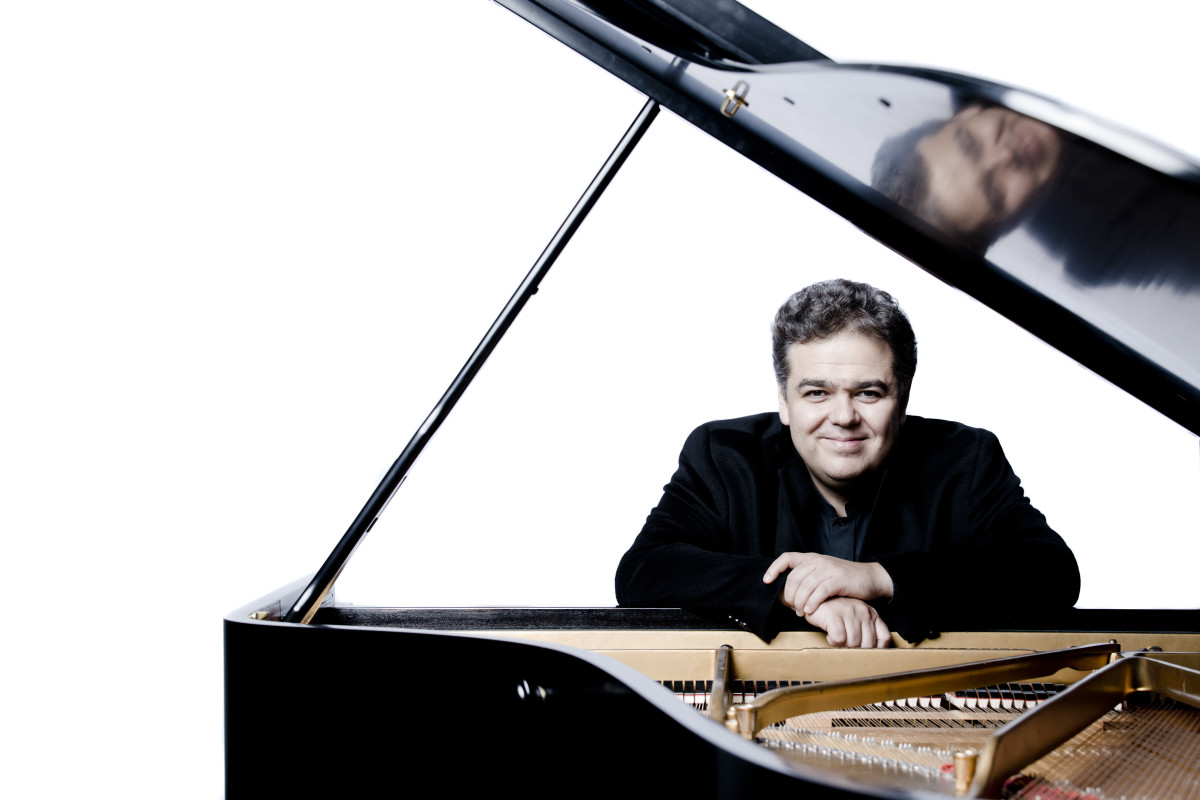
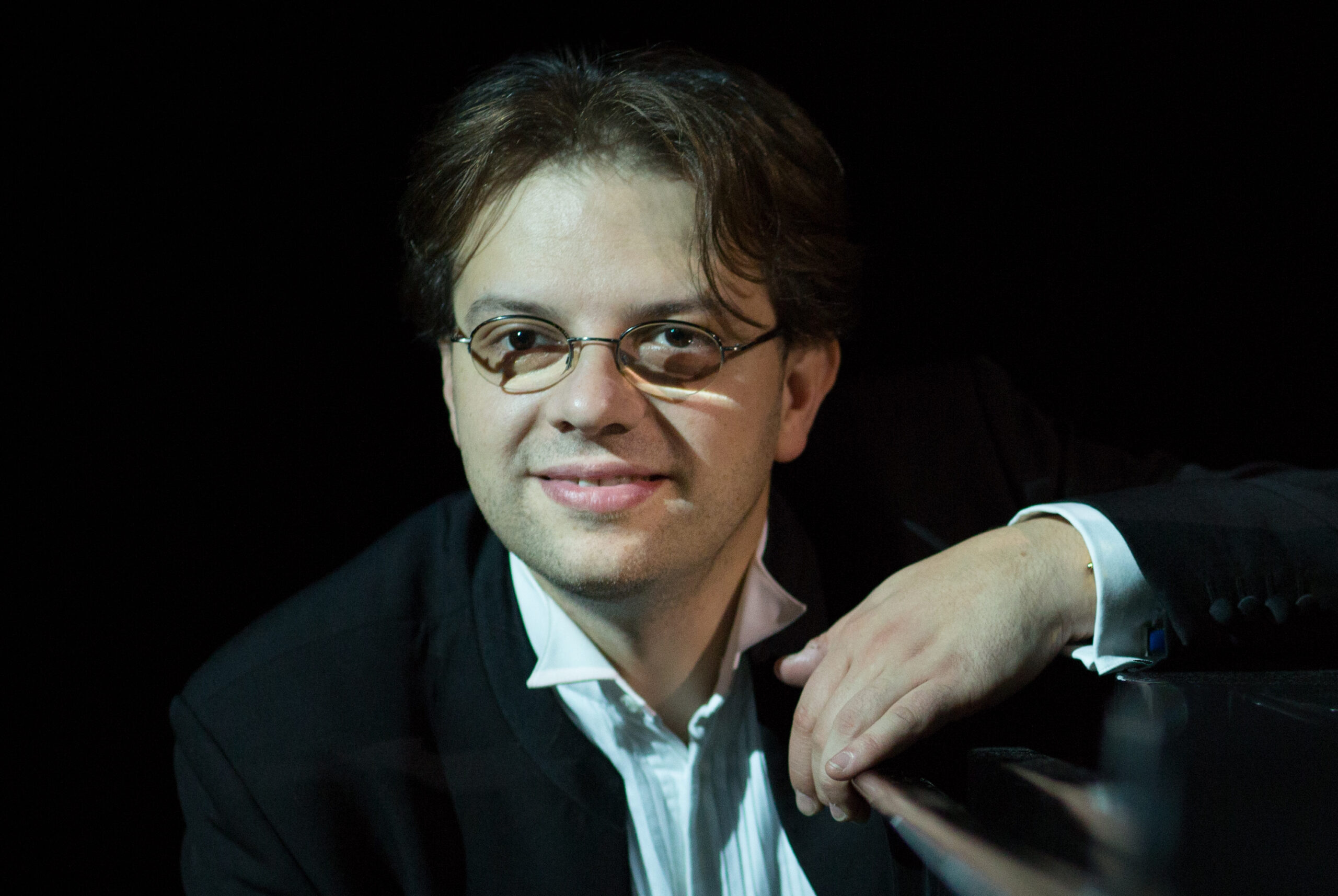
Sergei Babayan, “one of the greatest pianists of our time” (Bachtrack), has long been celebrated for “the quiet beauty and emotional fire” (The Times) of his interpretations. As an exclusive artist of Deutsche Grammophon, he has built an impressive and growing discography of award-winning recordings.
PIANO RECITAL “SONGS”
Sergei BABAYAN, piano
Sergei Babayan, “one of the greatest pianists of our time” (Bachtrack), has long been celebrated for “the quiet beauty and emotional fire” (The Times) of his interpretations. As an exclusive artist of Deutsche Grammophon, he has built an impressive and growing discography of award-winning recordings.
PIANO RECITAL – “SONGS”
The first part of the recital features Schubert songs in virtuosic arrangements by Liszt, romances by Schumann, Liszt, and Rachmaninoff, and sensitive transcriptions of works by Ponce, Kreisler, and Volodos. The second part is dedicated to lyrical miniatures by Mompou, Sibelius, Komitas, Poulenc, Gershwin, and others – including transcriptions by Babayan himself. He transforms vocal gems such as Grieg’s “Ein Traum” and Fauré’s “Au bord de l’eau” into deeply expressive pianistic monologues.
“SONGS” is much more than a concert – it is a musical love letter to the human voice and its expressive power, mirrored through the piano and the creative imagination of one of the most distinguished pianists of our time.
The 3rd East-West Festival NRW warmly invites you to the festive opening concert of the chamber music series “Great Masters at the Beethoven-Haus Bonn”, on Sunday, November 2, 2025, at 7:00 PM.
‘How to write a good melody‘, Sergei Babayan says, ‘is something one cannot learn. It is a gift one either has or has not. In all study of the art of composition, melody remains the ultimate mysterium.’ – Babayan’s latest solo recital programme, entitled SONGS, pays homage to the gift of creating some of the most beautiful melodies in the history of art song. The journey which Babayan proposes to the listener, from Franz Schubert to Charles Trenet, offers a unique opportunity to reflect upon the ingredients of a great melody and the way in which modern folk song and art song have evolved over time, both in their original form, with sung words, and as a transcription for an instrument, a song without words.
To understand the almost obsessive force that drives Sergei Babayan’s creative process as a pianist, it is important to emphasize from the outset that his often acclaimed ability ‘to make the piano sing’ is the result of two key elements: painstakingly meticulous practice, and the profound conviction that all great instrumental music, whether for piano solo, chamber music ensemble or symphony orchestra, ultimately aims at emulating the colours, phrasing and dynamics of the human voice. That is why a full programme of songs without words offers an in-depth exploration of the musical possibilities of the piano per se, rather than a simple abundance of melodic ‘hits’, an overdose of earworms, a labour of love for songs risking musical hyperglycaemia.
The songs by Franz Schubert appear as the natural point of departure for this exploratory journey through Western music. Very subtle modulations, returning changes from major to minor key and an extremely dense presentation of the melodic material above a subtly diverging accompanying line are characteristics in many Schubert songs. Liszt’s transcriptions of these songs are fascinating exhibits for Liszt’s generous activism for the cause of other composers – in the case of the opening of Gretchen am Spinnrade or Die Stadt by pulling to the forefront the atmospheric wealth allocated by Schubert’s original song to the accompanist’s part, with the incessant turns of the spinning wheel in the former and the eerie, foggy image of the town on the darkening horizon, beyond the grey waters, in the latter. In the same sense, Erlkönig is a pianistic masterpiece (and challenge) even in the original Schubert version for voice, and in Liszt’s breathtaking transcription, becomes the model for a transcription that remains faithful to the song, all while adding substantial instrumental difficulties but giving the listener the illusion of hearing from the piano every single word from the original drama of Goethe’s ballad, as put to music by Schubert. Liszt’s arrangement of Schubert’s Aufenthalt, on the other hand, and the Ständchen: Horch! Horch! or the highly virtuoso central part of his Gretchen am Spinnrade transcription have more of a transformation, freely based on the original melodic material, into a pianistic work in its own right that tests the limits for the sound potential of the instrument.
Liszt’s orgiastic escalation of the brief yet euphoric melody from Schumann’s Widmung takes this principle of pianistic freedom to another level, and Babayan uses this as an introduction to a string of melody-driven pieces for piano by Liszt, Ponce and Rachmaninoff which provide a range of transformatory tools, including an elegic melodic line above broken chords, overtone effects, right-hand octaves and mid-song transpositions by an octave, parallel runs. These examples culminate in a seemingly simple waltz by Fritz Kreisler, presented in a stunning arrangement by Rachmaninoff himself, who used the ever-so-slightly asynchronous limping of his instrument to pay humourous tribute to the otherwise inimitable Viennese violinist.
Turning to the melody-driven works of the Catalan Frederic Mompou, the Basque Jesús Guridi, the Armenian Komitas and the Finn Sibelius, Sergei Babayan lays out a world of song before the listener that transcends the tonal territory of Central European art song. Komitas, who became the first non-European member of the International Musical Society in Berlin, earned his epithet as Armenia’s ‘national’ composer with his double role as a priest rooted in Armenian polyphonic churchsong and the work as this ancient nation’s first musicologist, who collected thousands of folk songs and made many of them accessible for transcriptions for Western instruments for the first time. It is the tonal atmosphere, unfamiliar to the Western ear, that helps to focus on the inner qualities of melody in the music of Komitas, whose work was of evident influence on Sergei Babayan as a pianist born and raised in Armenia.
That the quality of the pianistic presentation of a melody is not related to its ‘singability’, the earworm character of a musical phrase that sticks, also results from the melodic (tonal or a-tonal) works of composers like Schoenberg. Hindemith’s little Lied is another example that seems almost abstract in its limping turns and melodic ups and downs. From this level of abstraction, a direct line takes the listener to the ‘tension and release’
principle that guides the arrangement of melodies in jazz, playing outside and inside the ‘right’ notes: Keith Jarrett, trained in classical composition and performance, created transcriptions for the piano that stand on the shoulders of Liszt and Rachmaninoff, while working with seemingly lighter folk song and film music material.
In the 20th century, a solitary approach to the ‘labour of love’ for song can be found in Poulenc’s piano improvisation Hommage à Edith Piaf: The material is not based on a specific song by the legendary ‘sparrow of Paris’ but on the melancholic atmosphere of many of her songs, her characteristic voice and her extraordinary life. The ‘labour of love’ idea is ultimately highlighted in pianistic masterpieces of the greatest virtuoso qualities, as in Alexis Weissenberg’s arrangement of Charles Trenet’s immortal song En avril à Paris.
A footnote leading beyond this recital programme: Would it come as a surprise to the listener if the SONGS programme proposed by Sergei Babayan were, like virtually each of his programmes, a discrete tribute to the greatest composers of all, unrelated as he might seem to the world of song: The greatest creator of melodies of all time, Johann Sebastian Bach? © Dr Marcus Felsner, 2024
 " alt="">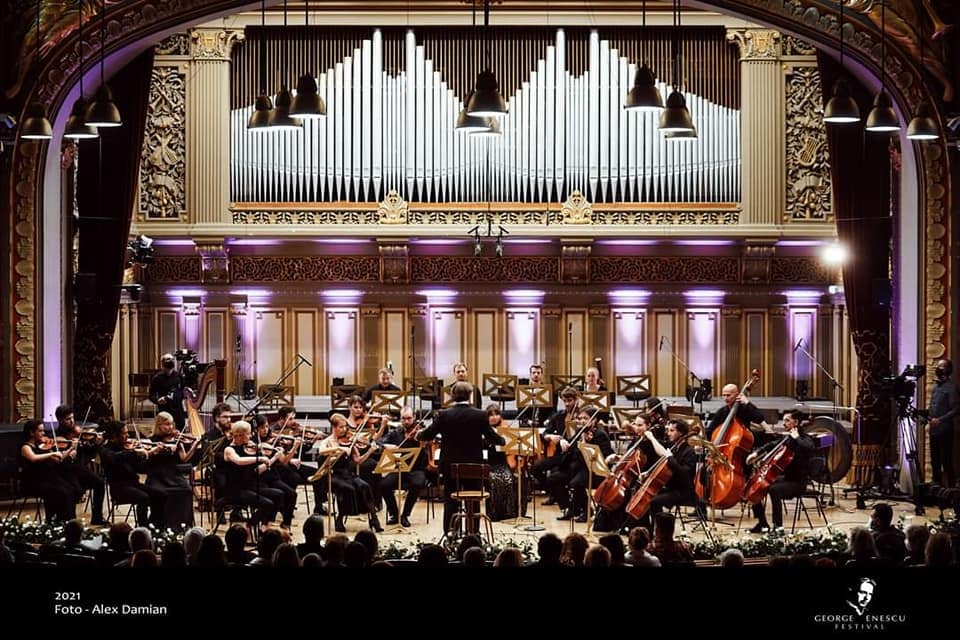
Unfortunately, the event must be postponed due to illness. A new date is currently being planned. All tickets that have already been sold will remain valid for the new date or can be refunded.
PROGRAM:
M.Weinberg Chamber Symphony No.1 op.145 (1987) for string orchestra
L.Abeliovich Aria for violin and orchestra (First performance in Germany)
D.Shostakovich/A.Stasevich Chamber Symphony op. 110a
and a lot more…
Erkki-Sven Tüür, Composer-in-Residence and Honorary Guest of the Concert
The-Orchestra-For-Peace
EAST-WEST CHAMBER ORCHESTRA
(Top-class soloists from over 15 countries, winners of most renowned international competitions such as ARD, Tchaikovsky and Queen Elisabeth, as well as concertmasters of famous orchestras who play rare instruments like Stradivarius and Guarneri and give the orchestra a remarkable sound)
Rostislav KRIMER, conductor
Soloist of the Berlin State Opera
Anna SAMUIL, soprano
Laureate of the Tchaikovsky- and Queen Elisabeth- Competitions
Tatjana SAMOUIL, violin
Preisträgerin des Wieniawski- Wettbewerbs
Alissa MARGULIS, violin
*Organizers keep the right of Program changes
The concert dedicated to support:

About the program:
Immerse yourself in the captivating story of this concert that will transport you to a world of passion, war, peace and hope. The program entitled “Ode to Peace” is dedicated to composers whose works were shaped by the effects of war and political systems. Through the power of music, their moving stories come to life and touch the hearts of the listeners.
One outstanding composer we meet in this concert is Mieczysław Weinberg, who fled Warsaw to Minsk during the Holocaust. Amid the turmoil of war and the invasion of the Soviet Union, he was evacuated to Tashkent and eventually invited to Moscow by Dmitri Shostakovich. The East-West Chamber Orchestra, conducted by Rostislav Krimer, has specialized in Weinberg’s music and has achieved worldwide recognition as well as several nominations for prestigious awards such as ICMA or Opus Klassik for the recording set of all four of his chamber symphonies.
Another notable composer in focus is Lev Abeliowitsch, who was a close friend and studied together with Weinberg in Warsaw and also fled to Minsk and their dream of returning to Warsaw together one day remained unfulfilled until the end of their lives. Abeliowitsch’s “Aria” for violin and orchestra, dedicated to the impassioned subject of the Holocaust, has rarely, if ever, been performed in Germany. Nonetheless, it offers a powerful connection to this painful chapter in history.
Dmitri Shostakovich’s Chamber Symphony op. 110a (String Quartet in C minor op. 110), which reflects the composer’s struggle with the Soviet regime, will be performed as well. This impressive work is not presented in the well-known arrangement by Rudolf Barshai, but in the rarely performed arrangement by Abram Stassevich, which gives the work a unique tonal expression.
The String Quartet in C minor, Op. 110, is considered Dmitri Shostakovich’s most autobiographical quartet. It reflects his personal experiences of persecution, oppression and war. Shostakovich draws on motifs from his own earlier compositions and from other composers to illustrate the tension with the Soviet regime. Beginning with Shostakovich’s musical signature D-S-C-H, this moving piece is presented in a poignant interpretation.
There will also be musical surprises with impressive musicians, who will make the gala concert an unforgettable experience.
In addition to this rousing musical journey, it is of great importance to mention that profits from this concert also benefit charitable causes for children in need. By purchasing tickets for this unique concert experience, you are actively helping to help children in difficult situations.
This year we are partners for SAVETHECHILDREN.DE:
“Whether it’s natural disasters, droughts, diseases, political unrest, or wars, an increasing number of children find themselves in life-threatening emergencies, sometimes overnight. They get injured, have to flee, need medicine, food, and a roof over their heads. On the other hand, there are many forgotten crises that have been overshadowing children’s lives for years, robbing them of any chance for a future in peace and dignity. In both cases, there are often not enough resources available because while one crisis suddenly emerges, the other has faded into obscurity over the years, as other events dominate the headlines. That’s why Save the Children has established the Children’s Emergency Fund. The donations that flow into the fund help children quickly and efficiently wherever the need is greatest and funds are urgently required.”
Secure your tickets now and let yourself be carried away by the incomparable music and the moving stories.
You can also donate for Children directly here:

 " alt="">
THE FIRST TIME IN BONN!
“…Largely delicate and filigree, often downright spiritual…” RONDO
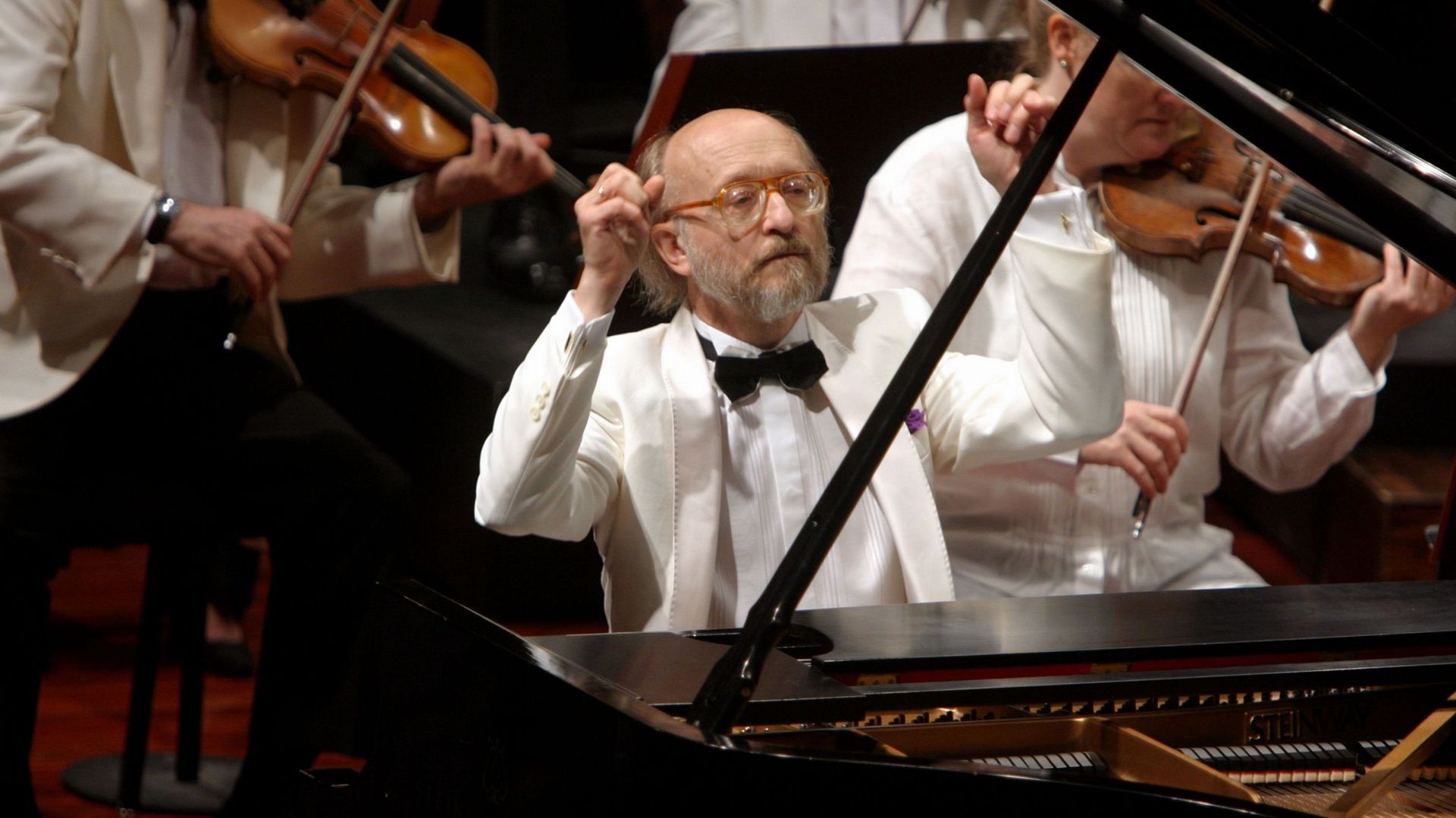
The pianist Alexei Lubimov (Alexei Borissowitsch Ljubimov), born in Moscow in 1944, is one of the most important pianists from the former USSR, a performer on historical keyboard instruments, but is also committed to contemporary music.
In 1968 he was one of the first musicians who dared to perform pieces by John Cage and Terry Riley in the Soviet Union.
Alexei Lubimov is a founder of the fortepiano tradition in USSR and one of the most important musicians in the world.
PROGRAM:
J.BRAHMS Two Rhapsodies op.79:
F.SCHUBERT Four Impromptus op.90, D.899:
— Break —
J. BRAHMS Six Piano Pieces op.118:
J.BRAHMS Three Intermezzi op.117:
F.CHOPIN Barcarolle F sharp major op.60.
The concert is played on an original instrument by Julius Blüthner, Leipzig (year 1856) with a particularly warm sound that is suitable for this program. This grand piano was selected by us and specially brought to Bonn.
Private collection and restoration – Manufactory for historical keyboard instruments “Clavierwerkstatt. Christoph Kern”.
 " alt="">
“The Great Schubert Experience (“Winterreise”) … Everyone follows him as if hypnotized, ever deeper into the torn consciousness of the winter traveler.” — DER SPIEGEL
And here is another important contemporary voice on Schubert’s Winterreise:
IAN BOSTRIDGE is considered one of the most significant and exciting, independent, and distinctive interpreters of this song cycle, as well as one of the most knowledgeable.
Few singers have engaged as intensely with Schubert’s Winterreise as the English tenor Ian Bostridge: This is evidenced not only by numerous performances, several Grammy nominations, and recordings over the past 30 years, but also by his highly acclaimed monograph on the cycle published in 2015. On the occasion of his first song recital at the Beethoven-Haus Bonn, Bostridge, together with Rostislav Krimer, will interpret Schubert’s “eerie songs” — as the composer himself once described them.
F. SCHUBERT “WINTERREISE” op.89 D 911
Text: Wilhelm Müller
Ian Bostridge — Tenor
Rostislav Krimer — Piano
Duration of the event: approx. 1 hour 15 minutes without intermission
EXCLUSIVE!
Following the performance, Ian Bostridge will speak with the audience about his books and his life (in English). The audience will have the opportunity to ask questions.
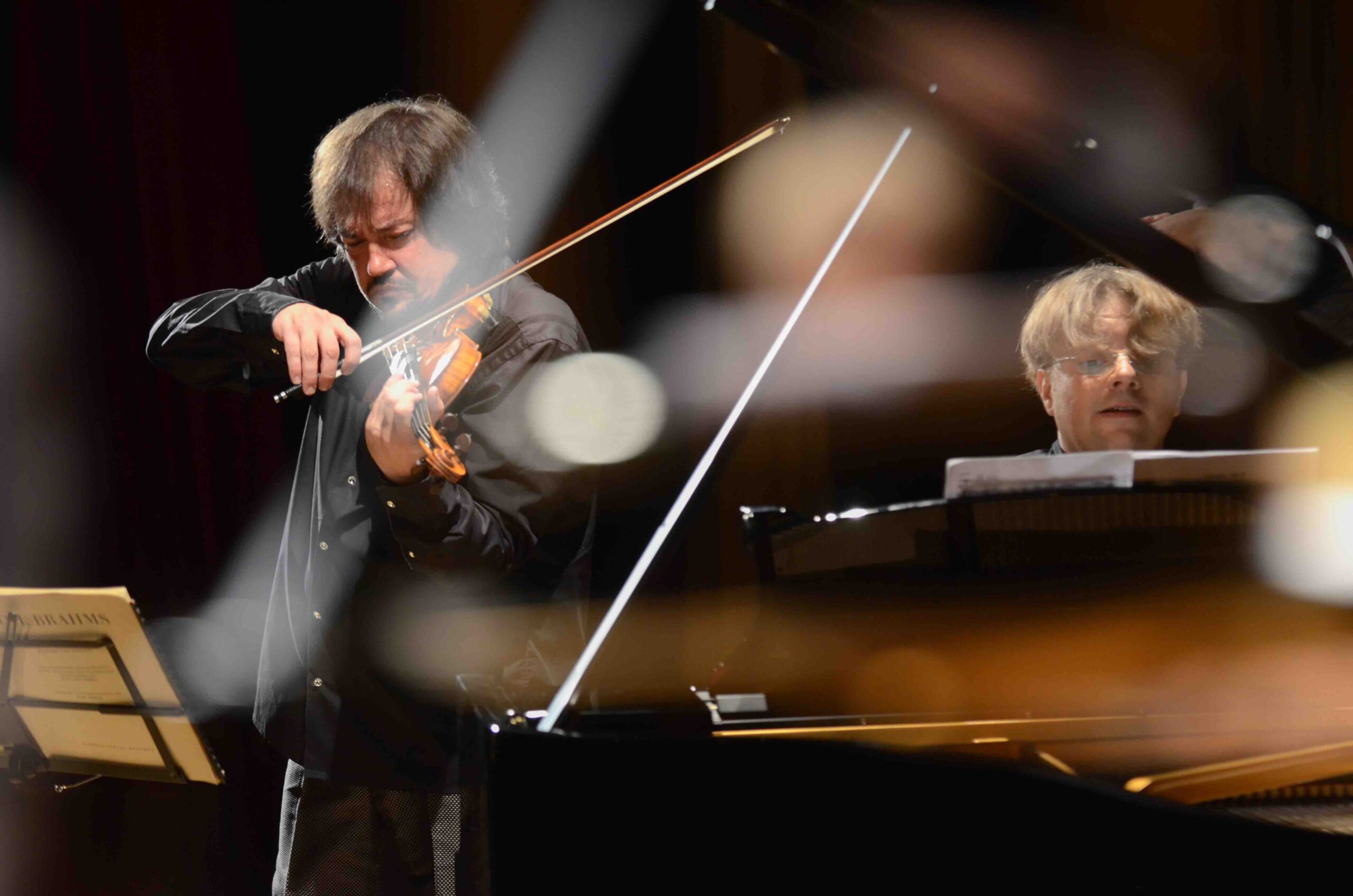
“I BELIEVE THAT SERGEJ KRYLOV IS ONE OF THE FIVE BEST VIOLINISTS IN THE WORLD”
MSTISLAV ROSTROPOVICH
“ROSTISLAV KRIMER IS ONE OF THE BEST AND MOST MUSICAL PIANISTS OF OUR TIME”
PAUL BADURA-SKODA
Masterful Sonatas by Mozart, Brahms, and Franck
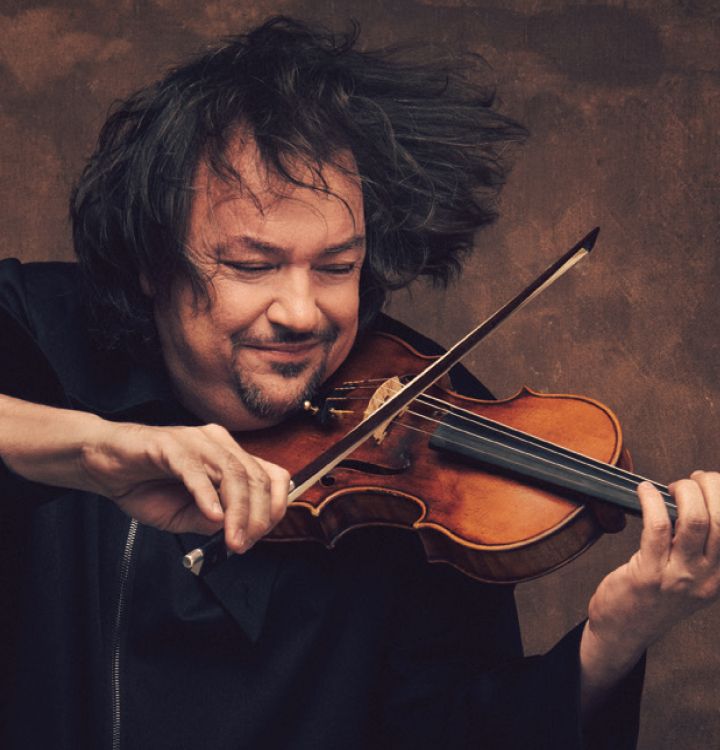
Sergej Krylov – Violin
Rostislav Krimer – Piano
PROGRAM:
W.A. MOZART Sonata for pianoforte and violin in B-flat Major, K.378 (1781)
J. BRAHMS Sonata for piano and violin in D Minor, op.108 (1886)
—— Break ——
C. FRANCK Sonata for piano and violin in A Major (1886)
The 2nd East-West-Festival cordially invites you to the festive opening concert of the chamber music series “Great Masters at the Beethoven House Bonn” on October 5, 2024, at 7:00 PM.
Experience an outstanding duo of distinguished soloists who have shared the stage for many years:
Sergej Krylov (Violin): For the first time in Beethoven-Haus Bonn – hailed by Mstislav Rostropovich as one of the five best violinists in the world, Sergej Krylov brings his enchanting musicality and impressive stage presence.
In the past decade, he has collaborated with leading conductors, including Vasily Petrenko, Fabio Luisi, Jukka-Pekka Saraste, Nikolaj Znaider, Ton Koopman, Roberto Abbado, Mikhail Pletnev, Andrey Boreyko, and Vladimir Ashkenazy.
He has established himself as one of the most renowned violinists through his performances with leading orchestras worldwide and has served as the jury chair for the Paganini and Kreisler competitions as well as a jury member for the Tchaikovsky Competition. Recently, he successfully performed with the Berlin Konzerthaus Orchestra under Iván Fischer in Berlin. He is the chief conductor of the Lithuanian Chamber Orchestra and has recorded all 24 Caprices by Paganini for Deutsche Grammophon, which have been highly praised by critics worldwide.
Rostislav Krimer (Piano): Paul Badura-Skoda described him as one of the best pianists of our time. The German pianist of Belarusian descent has lived in Bonn for many years, where his two children were also born.
He has worked with musicians worldwide, such as Maxim Vengerov, Gidon Kremer, Yuri Bashmet, Sofia Gubaidulina, Krzysztof Penderecki, Ian Bostridge, and the Royal Philharmonic Orchestra, and has performed in venues like the Berlin Philharmonie, Cadogan Hall in London or Grand Tchaikovsky Concert Hall in Moscow.
Recently, he was awarded the title of Associate by the Royal Academy of Music in London, an honor recognizing his achievements on the international stage and his significant contribution to culture. Krimer is known for his remarkable musicality and technical virtuosity, and he has also recorded all four chamber symphonies by Weinberg with his orchestra for Naxos, which have been nominated multiple times for the Opus Klassik and ICMA awards. He is also a Friend of UNICEF and the chief conductor of The-Orchestra-For-Peace East-West Chamber Orchestra.
The program includes true masterpieces: Sonatas for violin and piano by Mozart, Brahms, and Franck.
 " alt="">" alt="">
“Let there be light! The Silver Garburg Piano Duo compels with their superb sound and outstanding ensemble playing, as well as their imaginative rubati and agogic. Extremely classy.”
Concerti, CD of the Week
Dr. Stephan Eisel – Moderation
PROGRAM:
F. Mendelssohn Concert Ouverture No. 1 to Shakespeare’s A Midsummer Night’s Dream op. 21
S. Rachmaninov 6 Morceaux op. 11
—
L.v. Beethoven Grosse Fuge op. 134
J. Brahms Academic Festival Ouverture in C Minor op.80
Experience a unique musical event at the Beethoven-Haus Bonn! As part of the 2nd Ost-West-Festival NRW, we invite you to a concert on November 7, 2024, at 8:00 PM that you simply cannot miss.
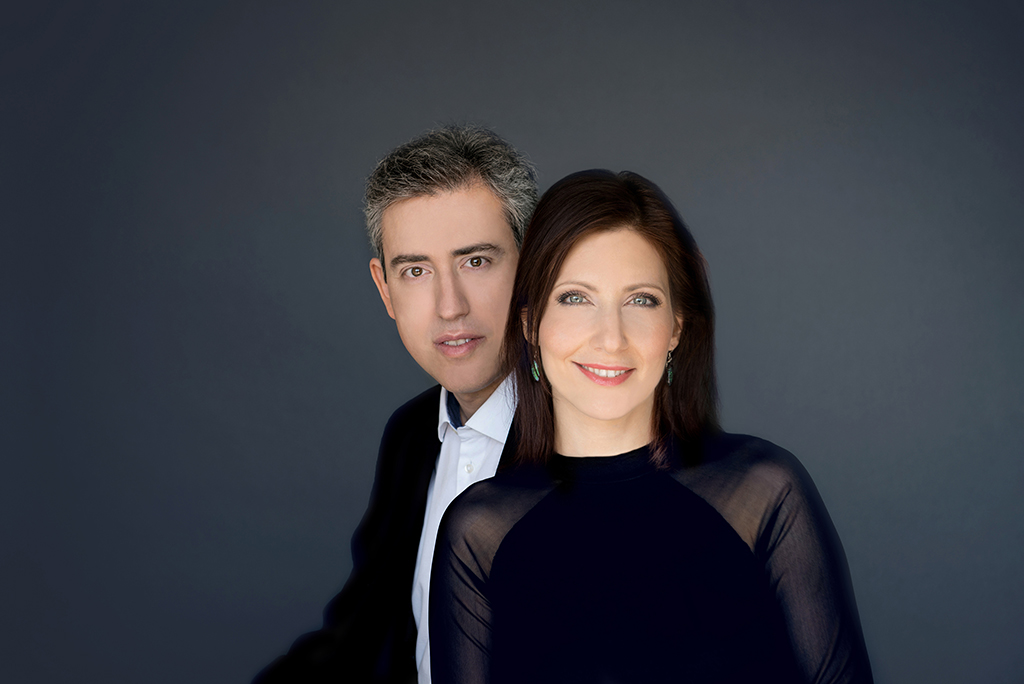
The internationally acclaimed piano duo Sivan Silver and Gil Garburg will be performing in Bonn for the first time. These two outstanding artists have performed in over 70 countries across five continents and are regarded as one of the leading piano duos in the world. Their collaboration sets new standards in the art of piano duets, captivating both audiences and critics alike.
Look forward to a unique program featuring masterpieces by Ludwig van Beethoven, Franz Schubert, and other composers. This evening promises an unparalleled musical experience that showcases the depth and beauty of classical music in a powerful way.
Don’t miss this rare opportunity to see Sivan Silver and Gil Garburg live at the Beethoven-Haus Bonn.
We sincerely thank the Embassy of the State of Israel for their generous support of this concert.

 " alt="">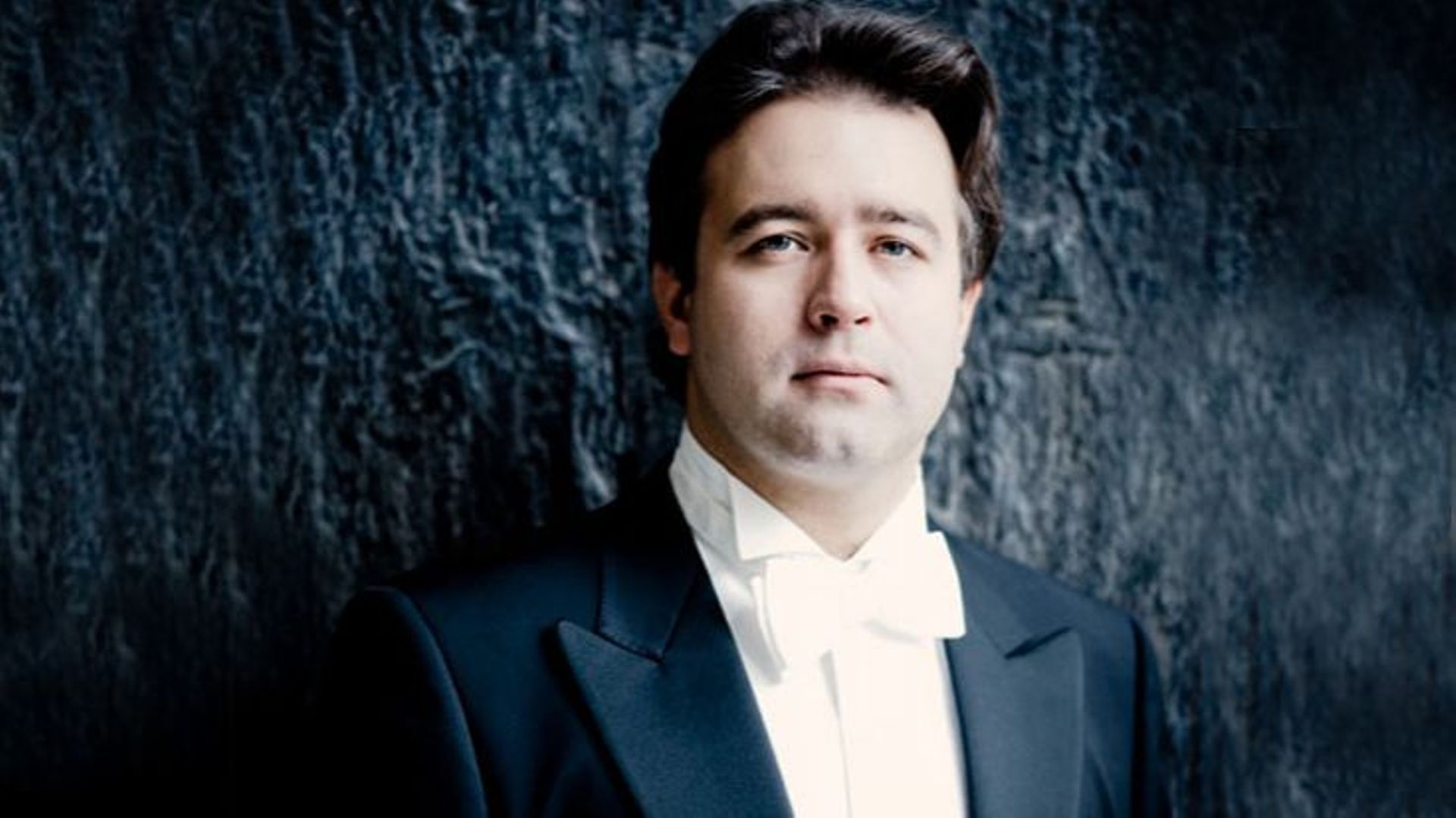
Prof. Alissa MARGULIS, violin (Folkwang University of the Arts Essen)
Prof. Florence MILLET, piano (Cologne University of Music and Dance)
Benedict KLÖCKNER, cello (Germany)
Prof. Gesa LÜCKER, piano (Cologne University of Music and Dance)
Rostislav KRIMER, piano (Belarus – Germany)
Milana MAMETSKA, piano (Ukraine)
Sofia PLAKHTSINSKA, violin (Ukraine)
Lily MAISKY, piano (France – Belgium)
i.a.
In the program: W. A. Mozart, L. v. Beethoven, F Schubert
On October 16, an extraordinary benefit concert will take place in the Beethoven-Haus Bonn, dedicated to the well-being of children in emergency situations worldwide. The event unites well-known musicians on one stage with selected young talents who have now found a home in Germany. Together they bring their skills together to provide assistance to those affected by wars and emergencies in different countries.
This year we are partners for SAVETHECHILDREN.DE:
“Whether natural disasters, droughts, diseases, political unrest or wars: more and more children find themselves in life-threatening emergencies – sometimes overnight – are injured, have to flee, need medicine, food and a roof over their heads. On the other hand, there are many forgotten crises that have overshadowed the lives of children for years, robbing them of any chance for a future of peace and dignity. In both cases there are often not enough funds available – because while one crisis hits suddenly, the other has been forgotten over the years because other events are making the headlines. For this reason, Save the Children established the Children’s Emergency Fund. The donations that flow into the fund help children quickly and easily where the need is greatest and funds are urgently needed.”
Secure your tickets now and let yourself be carried away by the incomparable music and the moving stories.
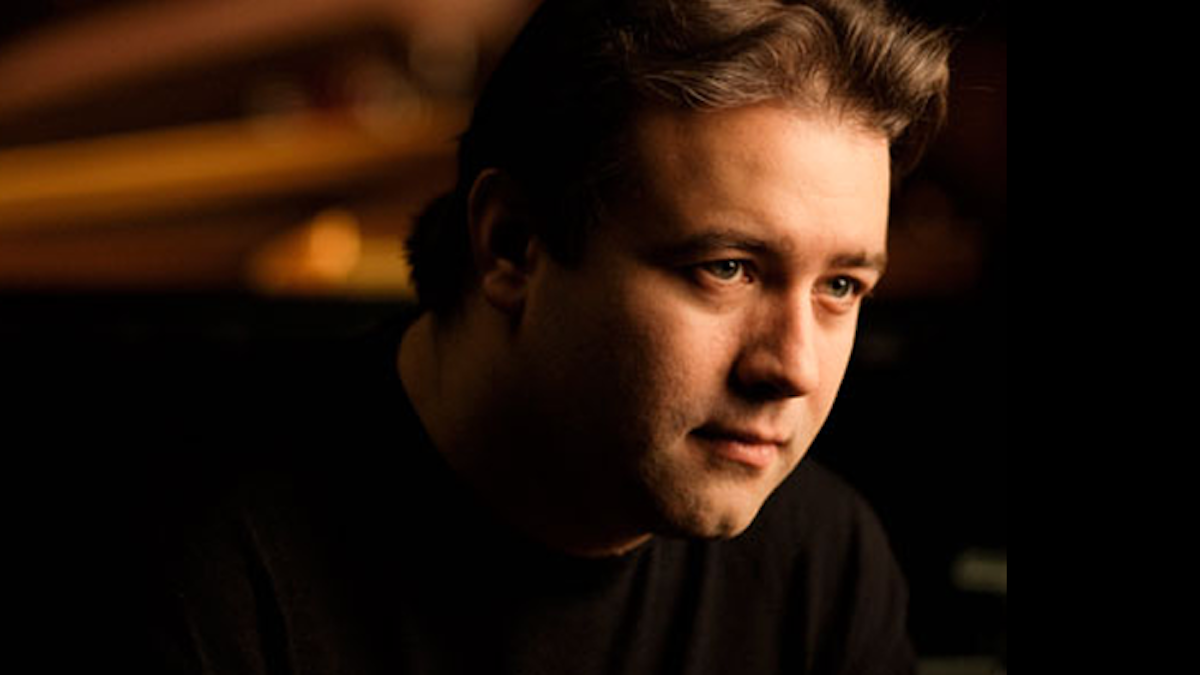
“…Conclusion: A brilliantly colorful and pianistically brilliantly designed piano recital.” Michael Wruss, NEWS, March 2022
Praised for his extremely sensitive playing and technical brilliance, Alexei Volodin is in demand with orchestras of the highest caliber. He has an extraordinarily diverse repertoire that ranges from Beethoven and Brahms to Tchaikovsky, Rachmaninov, Prokofiev and Scriabin to Shchedrin and Medtner.
Highlights of the 2022/23 season include return appearances with the Singapore Symphony, Philharmonia Orchestra, Winnipeg Symphony, Orchester Philharmonique Royal de Liège and Euskadiko Orkestra, as well as debut appearances with the Kyoto Symphony, Orchester Philharmonique de Strasbourg and Sinfonieorchester Wuppertal. Volodin will join the Orchester de chambre fribourgeois at the Besançon International Music Festival and tour Belgium and the Netherlands with the Symfonieorkest Vlaanderen performing Chopin’s Piano Concerto No. 1. He returns to the SWR Symphonieorchester and will give duo performances with Igor Levit at Wigmore Hall and the Lucerne Piano Festival.
In previous seasons he has performed with the Orchester symphonique de Montréal, NCPA Orchestra China, BBC Symphony Orchestra, NHK Symphony Orchestra, Orchester de la Suisse Romande, Antwerp Symphony Orchestra, Mariinsky Orchestra and St Petersburg Philharmonic Orchestra and worked with conductors Semyon Bychkov, Stanislav Kochanovsky and Robert Trevino.
PROGRAM:
F.Schubert Piano Pieces D.946 No. 2
L.v.Beethoven Piano Sonata No. 24 in F sharp major, Op. 78 (À Thérèse)
N.Medtner Sonata Ballad op. 27
— Break —
M.Mussorgsky “Pictures at an Exhibition”
 " alt="">